
HOME INSPECTIONS
Why Home Inspection Reports
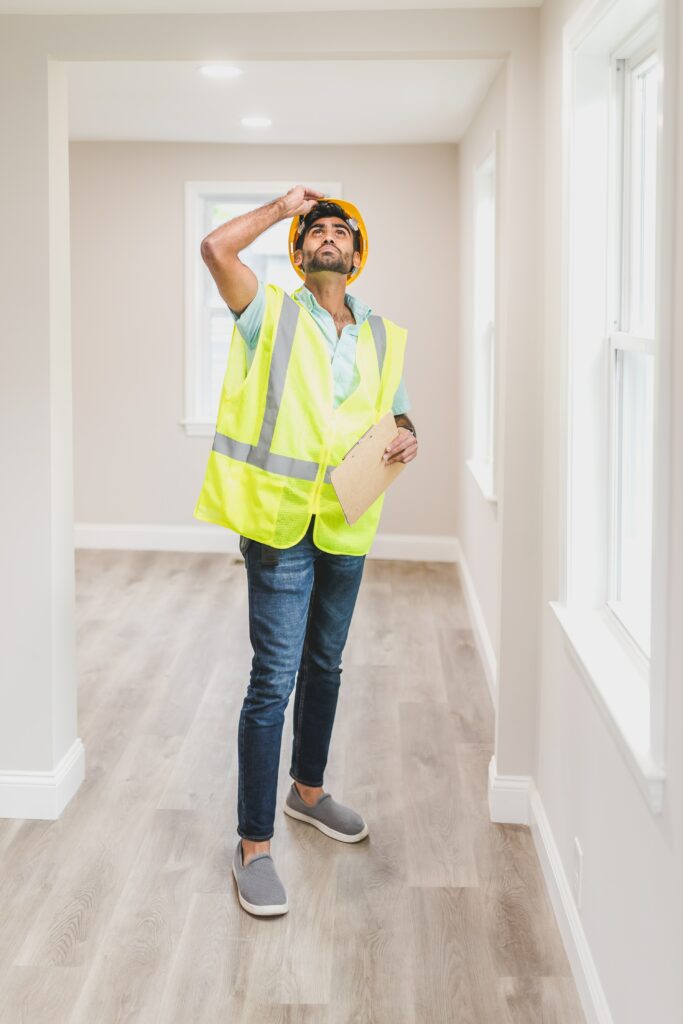
Inspection reports can inform buyers of potential future maintenance and repair costs, and sellers can mitigate future legal matters arising from the sale of a property. The Property Practitioners Act 22 of 2019 was enacted on the 1st of February, 2022. The act requires a duly completed and signed disclosure form to accompany every property sale. This disclosure form must list all known defects on a property. Scantek3d has highly qualified and experienced inspectors who perform these inspections. We also have civil/structural engineers who can inspect properties showing structural defects. We also have inspectors who have completed the Institute of Timber Construction (ITC) Roof Inspectors Course.
Buying real estate is the most significant expense many people will ever incur. Far too often, dreams become nightmares when buyers realise the actual condition of a property bought. Most people focus on property aesthetics, which can easily be changed or corrected. Structural failure, however, is not always visible to the untrained eye and is far more dangerous and potentially very expensive to repair. A property inspection conducted by one of our inspectors can save buyers money and, in extreme cases, even their lives.
Similarly, selling a property with an Inspection Report will instil confidence in buyers that they are buying a property that will not surprise them with unexpected financial expenditures.
We offer two types of home inspections: a Standard Inspection and a Structural Inspection.
Standard Inspection – This detailed inspection and report will highlight minor and significant defects like blocked gutters or suspected structural defects, like settling foundations or incorrectly constructed roofs. This inspection includes the building and roof structure, plumbing, geyser and drainage and any visible evidence of moisture and leaks. We do not provide electrical certificates, but the inspection reports cover visible electrical non-compliance of electrical installations.
Structural Inspection – This is an Engineering Report that can, by law, only be done by Engineers registered with the Engineering Council of South Africa. This inspection and report are usually required when incorrect design or construction is suspected. It includes structural design checks and specific testing of materials.
The inspection report can inform buyers of potential future maintenance and repair costs. At the same time, sellers can rest easy in the knowledge that the risk of future legal matters arising from the sale of a property will be limited.
Sectional Title Maintenance and Repair Plans
Lorem ipsum dolor sit amet, consectetur adipiscing elit. Ut elit tellus, luctus nec ullamcorper mattis, pulvinar dapibus leo.

The latest Sectional Titles Schemes Management Act 8 of 2011 (STSMA) was approved and published together with the Community Schemes Ombud Service Act 9 of 2011 (CSOSA) on the 7th of October, 2016. The regulations require that all schemes prepare a written Maintenance Repair and Replacement Plan specific to the scheme. All the major capital items must be included in the Plan, which references their current condition, their expected useful life, and the historical maintenance or repairs undertaken to these items. For further information, please refer to the new Prescribed Management Rule 22 of the STSMA for further details.
OVERVIEW – STSMA & CSOS REQUIREMENTS
Reference: Community Scheme Ombud Service – Sectional Titles Schemes Management Act 8 of 2011 (Part 5, page 26)
A body corporate must-:
- 26 (1) (d) prepare a maintenance, repair and replacement plan by rule 22 for presentation at the annual general meeting;
- 26 (1) (e) prepare budgets for the administrative and reserve funds comprising itemised estimates of the anticipated income and expenses during the next financial year for presentation at the annual general meeting, provided that such budgets may include discounts not exceeding 10 per cent of a members’ annual contributions applicable if all those contributions are paid on or before the due dates;
- 26 (1) (f) prepare a report adopted by the trustees reviewing the body corporate affairs during the financial year for presentation at the annual general meeting.
Our Inspectors and Engineers have many years of experience assessing civil and building infrastructure. Very often, the civil component of Sectional Title Schemes, like sewer reticulation, water reticulation and roads, poses the highest maintenance and repair cost. Civil engineers are best qualified to do these inspections or assessments. Our engineering background and experience enable us to assess the condition of these components, and we produce highly illustrated and professionally written Maintenance and Repair Reports. These reports include comprehensive budget plans which consider future value.
New Build or Renovation Quality Assurance
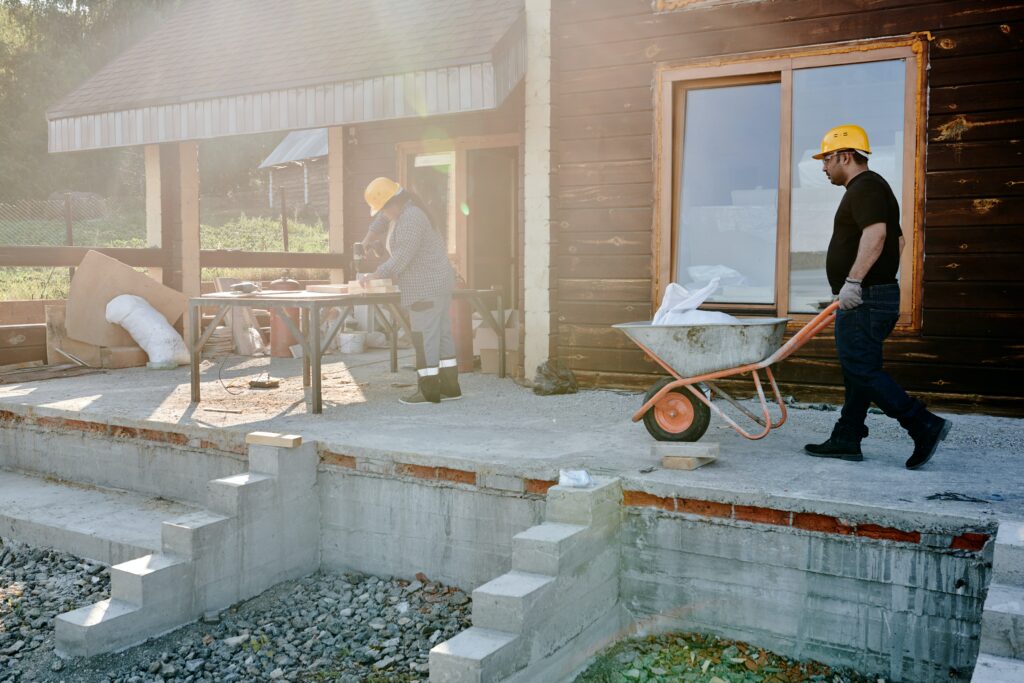
Few things in life are more satisfying and stressful than building a new house or renovating, especially if the owner of such a project has limited technical knowledge or limited time to ensure quality workmanship and materials. There are several accepted routes to ensure build quality, like the required local authority inspections, NHBRC inspections and Architectural inspections. Structural designs have to be checked by the design engineers during the build. Our inspectors can perform periodic independent inspections on behalf of the client to ensure design conformance. They can assist the client in compiling a “snag list” that covers all the building disciplines before the final handover.
Existing and New Timber Roof Inspections
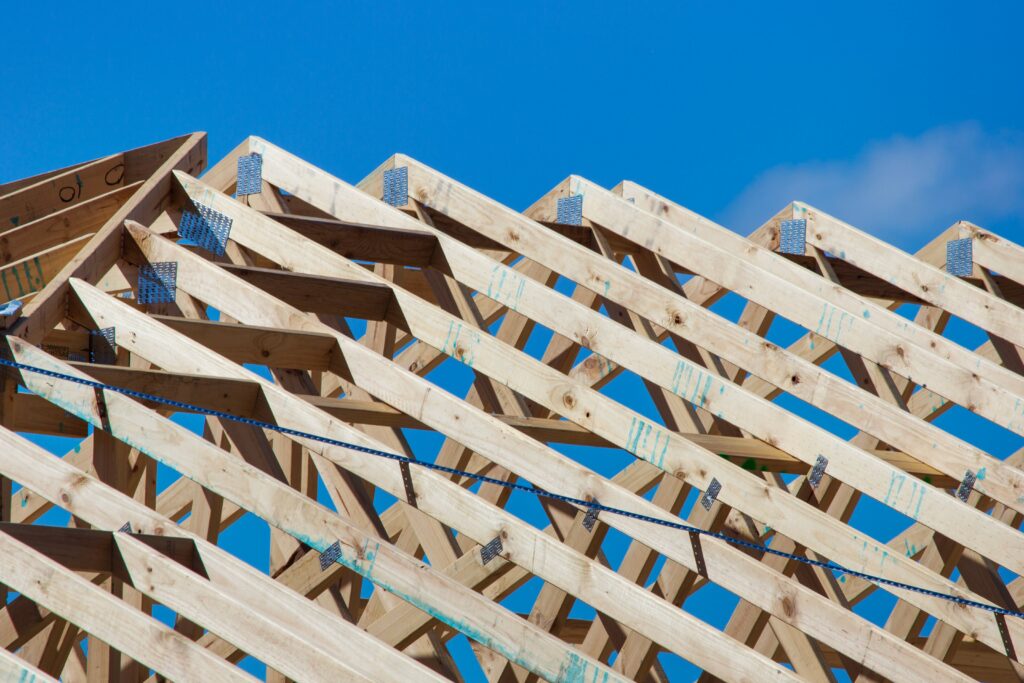
Roof repairs can be very costly and disruptive to households and, in our opinion, one of the essential aspects of a house that must be inspected at a minimum when buying another home. The roof structure is between the roof covering and the ceiling and is usually not visible. Failure of the roof structure can cause rainwater leaks, excessive movement and, in extreme cases, partial or complete collapse. Roof inspections are relatively inexpensive and can save homeowners a lot of unforeseen costs and heartache in the future.
The National Building Regulations specifies that all newly constructed timber roofs be inspected and signed off by an engineer that is registered with the Engineering Council of South Africa (ECSA) or a qualified roof inspector working in association with an ECSA-registered engineer, which then enables owners of such buildings to obtain an occupancy certificate. Our Engineers are registered with the ECSA and have also completed the Institute of Timber Construction roof inspectors training. They are both qualified and experienced to sign off on these inspections.